
Commercial and Industrial Biohazard Cleanup
Planning for industrial and commercial biohazard cleanup considers operations and access to the site.
See commercial and industrial biohazard cleanupGet blood, bodily fluids, sharps and contaminated materials removed from an office, store, warehouse or shared workplace in Matthews. The affected space stays controlled while cleanable surfaces are treated and unsafe porous materials are removed.
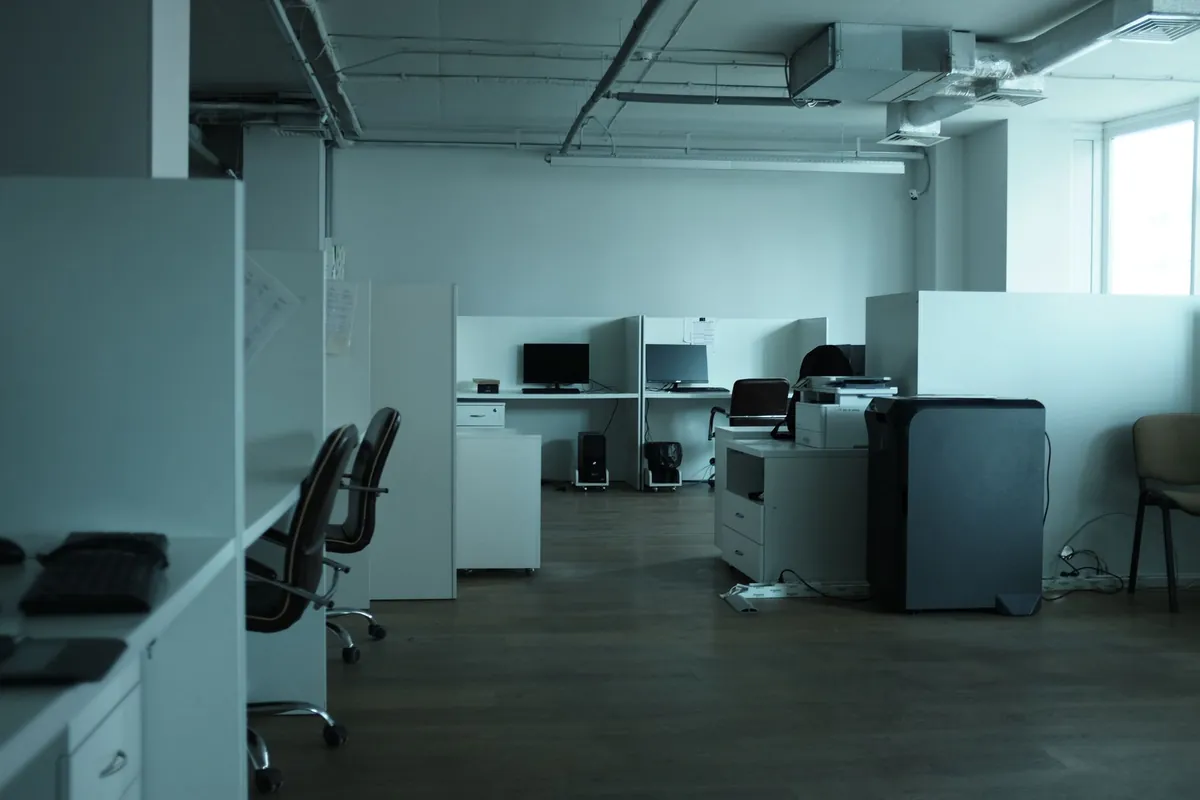
Workplace and office biohazard cleanup means safely controlling, removing, cleaning and disinfecting contamination from blood, bodily fluids or sharps following an accident, illness, injury or another on-the-job exposure.
Ordinary janitorial service does not cover all of this work. First, the affected space is identified and foot traffic is restricted. Items that cannot be disinfected are taken out. Remaining surfaces receive a suitable product for its entire contact time. Waste is prepared for legal disposal, followed by a check before the area goes back into use.
The location of an incident may not be the only place affected by a workplace biohazard. Material can travel into adjacent areas on footwear, cleaning tools or wheels from carts. A careful assessment tracks each route while distinguishing visible soil from furniture, personal items and building materials needing further inspection.
You need clear information before choosing a cleanup company. The team tells you what it will clean or may remove, along with which spaces stay closed, prior to starting.
Files, electronics and personal items are isolated and discussed with you before a decision is made whenever safety allows. Straightforward choices may reduce uncertainty as you move forward.
Waste documents, job details and photos are put in order for facility files, property owners or the insurance company.
Crews arrive in unmarked vehicles, and the affected area can be screened from employees, customers and neighboring tenants.
When normal cleaning could expose staff to contaminated material, bodily fluids or sharp objects, office biohazard cleaning is appropriate. Typical workplace situations are:
A known illness or exposure calls for targeted cleaning of touched surfaces and shared spaces under the facility's response plan.
A property manager wants contaminated rooms separated and cleaned without exposing unaffected areas of the building.
Blood or another fluid remains on warehouse floors, porous construction materials, machinery or stairs after an accident.
Urine, feces or vomit reaches a break room, lobby, occupied office area, restroom or workstation.
Protect people before thinking about the room or the cleanup schedule. Follow your workplace emergency response plan and take these practical first steps:
Call (888) 440-9227There is no trustworthy published price range dedicated to office or workplace biohazard cleanup. General cleanup guides cite a typical range of $3,000 to $5,000 on a per-job basis. They also list $1,800 to $4,500 as another typical range. Those amounts allow comparison but do not quote a workplace project. A small incident on a hard surface can have a very different cost from fluids reaching walls, carpet, several rooms or equipment. The actual work must be assessed to establish the final price.
These national ranges are taken from published cost guides, rather than a property visit. An on-site assessment determines your property's price, which is explained to you before the cleanup starts.
Ask about cost: (888) 440-9227Insurance can cover certain workplace biohazard cleanup costs, depending on the incident's cause and the terms of the lease and commercial policy, including exclusions and deductibles.
Waste documentation, pictures and an item-by-item scope can help with a claim. Ask if restoration services, cleanup and repair work fall under different portions of your claim. If disposal can safely wait, ask about policy requirements before throwing affected material away.
Care for the employee is separate from cleaning the property. Use the workplace process for injuries, and check with the proper insurer about reporting each separate part.
The lease may assign cleanup duties differently for a private suite, shared restroom, lobby or parking area. Contact the property manager in advance when the job involves access or a building system.
To determine whether property coverage applies, insurance companies may request information about the cause and resulting contamination. Record the claim number and the documents the adjuster requests.
Office biohazard cleanup is completed in a controlled sequence. At each stage, affected spaces remain separate while the source is removed. Records show what was cleaned and what came out before reopening.
Cleanup technicians identify the event area, nearby transfer paths, surface types, personal property and any rooms that must stay closed.
Entry is limited with barriers and caution signs. Cleanup crews use protective gear suited to the exposure.
Visible material and disposable items are collected first so cleaning does not spread them across the office. Contamination left behind may spread onto surfaces close by.
When contamination cannot be reached and fully treated, cleanup involves removing drywall, unfinished wood, carpet padding, ceiling tiles or upholstery.
Biohazard cleaning services wash hard surfaces, then keep an EPA-registered disinfectant on them for the entire contact time on its label.
Source removal comes first. When soft materials or indoor air were affected by the event, suitable odor treatment and air scrubbers may be used afterward.
Correct containers are used to seal sharps and other regulated waste before movement under applicable state rules.
The space returns to normal use after every step is checked. Waste documents and photographs record the entire process, while needed repairs are noted.

Call any hour. A specialist in office and workplace biohazard cleanup takes your call, explains each step and agrees on a start time with you.
Workplace biological hazards may pose serious health risks through contact with contaminated surfaces, a puncture from a sharp or material tracked outside the initial area.
Needles and sharp fragments can puncture skin. Puncture-resistant collection is necessary for them, while remaining hazardous waste must be packaged and discarded suitably.
HIV, hepatitis B and hepatitis C can be carried by blood. Because the CDC says hepatitis B may persist on a surface for at least seven days, dried blood must still be treated carefully.
Fluid may soak past carpet into its pad, move through gaps beside baseboards or spread onto adjacent floors. Contamination may remain after the visible spot is wiped.
Can you clean it yourself? Before a designated employee addresses a very small spill from a hard surface without pores, the task must be covered by training, protective equipment and the workplace plan. Never have untrained employees clean spills involving upholstery, carpeting, raw wood, wall cavities or spaces containing sharps.
A cleanable surface without pores can frequently remain in place. Absorbent materials must come out when the cleaning process cannot reach all areas entered by fluids.
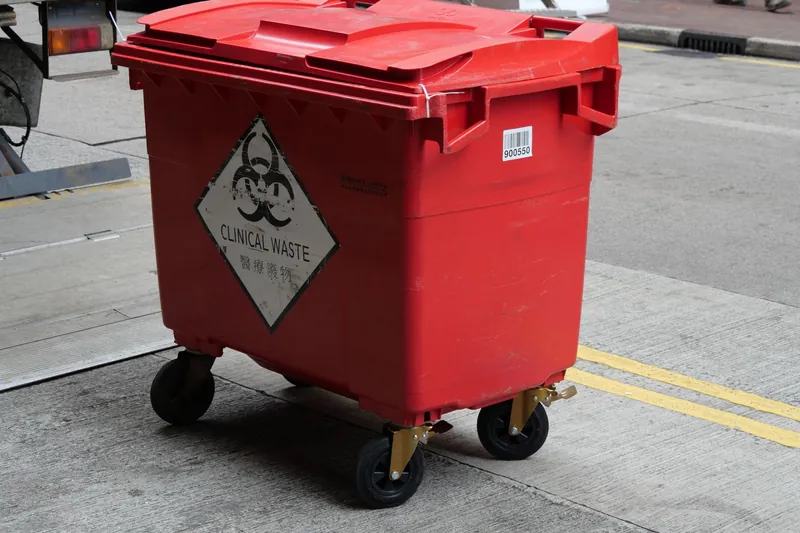
Federal standard 29 CFR 1910.1030 imposes requirements for training, protective equipment, exposure controls and other safeguards when workers might contact blood or specified body fluids.
The chosen disinfectant should have EPA registration for its intended purpose and remain visibly wet during the complete labeled contact time.
North Carolina treats soaked materials from a biohazard scene as medical waste. Rules from the state Department of Environmental Quality's Solid Waste Section control how it is packaged, stored, transported and treated, so it cannot go in household trash.
Local health and building rules can affect how a contaminated room is cleaned and when it can be used again, so mention any notice you have received from the city or county.
Cleanup limited to a hard surface may require several hours. If carpet, wall materials, furnishings or more than one room are involved, the work can last one or more days. The office may need additional time to reopen because of medical care, a law enforcement release, access to the building or repairs.
The full office and workplace biohazard cleanup guide covers what is cleaned or removed, odor and air quality work, and the rules that apply in your state.
Read the full office and workplace biohazard cleanup guideLocal housing, population and access details can shape containment, access and cleanup planning.
The local mix includes 35.6% renter occupied homes, making it useful to establish who controls repairs before cleanup begins.
The median home in Matthews was built in 1994, but drywall, engineered flooring, and insulation can still absorb contamination.
Although the share is 26.5%, seniors living alone can still face delayed discovery after an illness, injury, or death.
Single-family homes represent 65.7% of housing in Matthews, creating a mix of detached properties and buildings with shared spaces.
You can ask about cleanup in nearby communities and ZIP codes during the call.
Planning for industrial and commercial biohazard cleanup considers operations and access to the site.
See commercial and industrial biohazard cleanup
Blood spill cleanup addresses fresh or dried blood spills of every size.
See blood spill cleanup
Cleanup controls the risk of blood exposure involving HIV, hepatitis C and hepatitis B.
See bloodborne pathogen cleanup
Homes, care environments and businesses receive bodily fluid cleanup and disinfection.
See bodily fluid cleanup
All surfaces receive full coverage with EPA-registered products for infectious disease disinfection.
See infectious disease disinfection
Needle and sharps cleanup for yards, rentals, parks and encampments.
See needle and sharps cleanup
Biohazard waste is collected in labeled, sealed containers and taken for disposal.
See biohazard waste disposal
Injury and accident scene cleanup covers workplaces, homes and public spaces.
See accident and injury scene cleanupThe carpet is assessed along with its padding and the floor below. Fluid below the carpet fibers might remain beyond the reach of surface cleaning. A limited section may need removal when contamination reached the pad, seams or subfloor. Check surrounding furnishings and the paths people used for walking.
Routine cleaners may address ordinary soil, but a biohazard needs an exposure plan, suitable protective equipment, correct disinfectant use and lawful waste disposal. Check the cleaner's written scope and training. Do not assume normal janitorial supplies are enough for blood, sharps or absorbed bodily fluids.
Any biological substance that may expose a person to illness or injury can be a hazard, including blood, bodily fluids, human waste, infectious material and sharps. The right response depends on what happened, where it spread and whether staff have the training and protective equipment required by the workplace plan.
Coverage may depend on what caused the incident, policy terms for commercial property, lease duties, exclusions and your deductible. Meet the policy's deadline when reporting the event, and find out if repairs, cleanup and damaged contents receive separate treatment. For the claim, save the requested photos, scope information, invoices and waste documents.
Examples include materials affected during accidents or illness, needles left behind, blood following injury, and vomit or human waste in shared spaces. What you can see may be only part of the risk. Contamination may also reach tools, padding under carpet, furniture seams or surrounding walking routes.
Access to the area is controlled initially. With suitable protective equipment in use, workers clear visible material and wash cleanable surfaces before keeping an EPA-registered product on them for the complete labeled contact time. Soaked porous items might require removal. Relevant rules govern the packaging and discarding of waste.
You can request respectful, discreet office and workplace biohazard cleanup 24 hours a day, and crews use unmarked vehicles.